
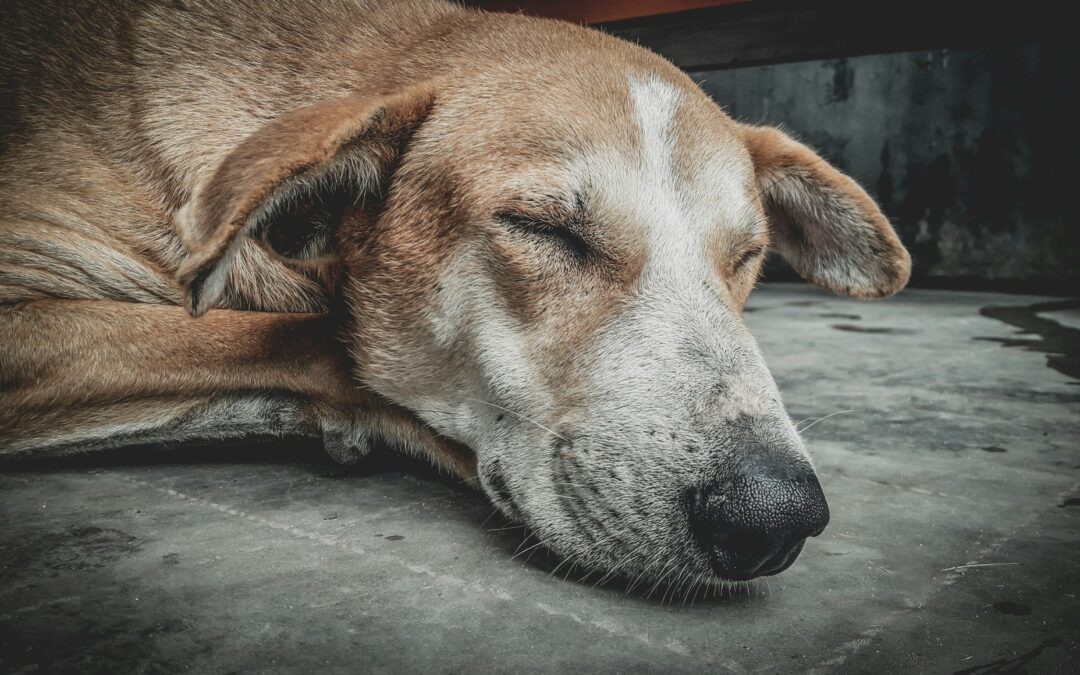
Changes in sleeping habits are pretty common as pets age. Still, when you see your pet all curled up in their favorite spot more often, you might wonder what’s actually normal and when there’s something to worry about.
Our vets explain why more sleep is normal for senior cats and dogs, and how to tell if your pet is sleeping too much.
Sleep Changes in Senior Pets
Like people, pets need varying amounts of sleep at different stages of life. Puppies and kittens generally need a lot of sleep (up to 20 hours a day!) so their bodies can focus on healthy growth. Mature cats and dogs start to need less sleep, depending on their body mass, gender, and breed. And as pets reach old age, they may return to sleeping longer or resting more often.
As pets age, their sleep/wake cycles also change. There may be more frequent napping, with daytime sleep increasing as nighttime sleep decreases. These changes to your pet’s sleeping habits are often just because older pets get tired more easily. However, they might also be engaging in less physical activity because of joint stiffness or arthritis, or because of changes in their hearing or vision.
Why Do Older Pets Sleep More?
More sleep for older pets is completely normal. Their metabolism slows down, and sleep is one way for them to conserve their energy. And while it may appear that your pet is sleeping more, it’s possible that they are actually just resting, rather than sleeping deeply.
Ever notice how your cat’s ears remain perked up and twitch in response to what’s going on in the room? Or how your dog looks like he’s sound asleep but is quick to look up when you enter or leave the room he’s in? Chances are good that neither of these pets is in a deep sleep; they’re just having a light nap.
Should I Be Worried About How Much My Pet Sleeps?
There are a few circumstances where changes to your pet’s sleeping habits may be worrisome. Pain, illness or cognitive dysfunction can all cause sleep disturbances in dogs and cats.
You might notice your pet moving more slowly or demonstrating other unusual behaviors. These signals indicate that there’s more going on than age-related sleep changes. Some pets may sleep more in response to anxiety or emotional discomfort, such as when another pet passes away or there are significant changes to your household.
Pay Attention to How Your Pet’s Sleep Patterns Change Over Time
You know your pet better than anyone, and trusting your instincts is important. Sleep changes are a common and typical part of aging, but they’re not always normal. Being attentive to your senior pets’ needs is the best way to keep them safe and happy in return for all the comfort and companionship they’ve brought you, so pay attention to your pet’s sleep patterns.
It’s time to go to the vet if you notice symptoms like:
- Sudden or dramatic increases in sleep
- Difficulty waking up
- Confusion, pacing, or nighttime restlessness
- Loss of interest in food or favorite activities
Fear-Free Certified Vet in Gilbert, Arizona
Ansazi Animal Clinic is here to help you keep your pet healthy so they can live longer and you can enjoy more time together. If you’ve been looking for a clinic that puts pets first, we would love to meet you.
Whether you’re in Gilbert, Mesa, or one of our neighboring communities, our fear-free approach helps make every visit calmer and more positive. Contact us to make an appointment today.
Photo by SAYAN Bhaskar on Unsplash used with permission under the creative commons license for commercial use 02/05/2026