
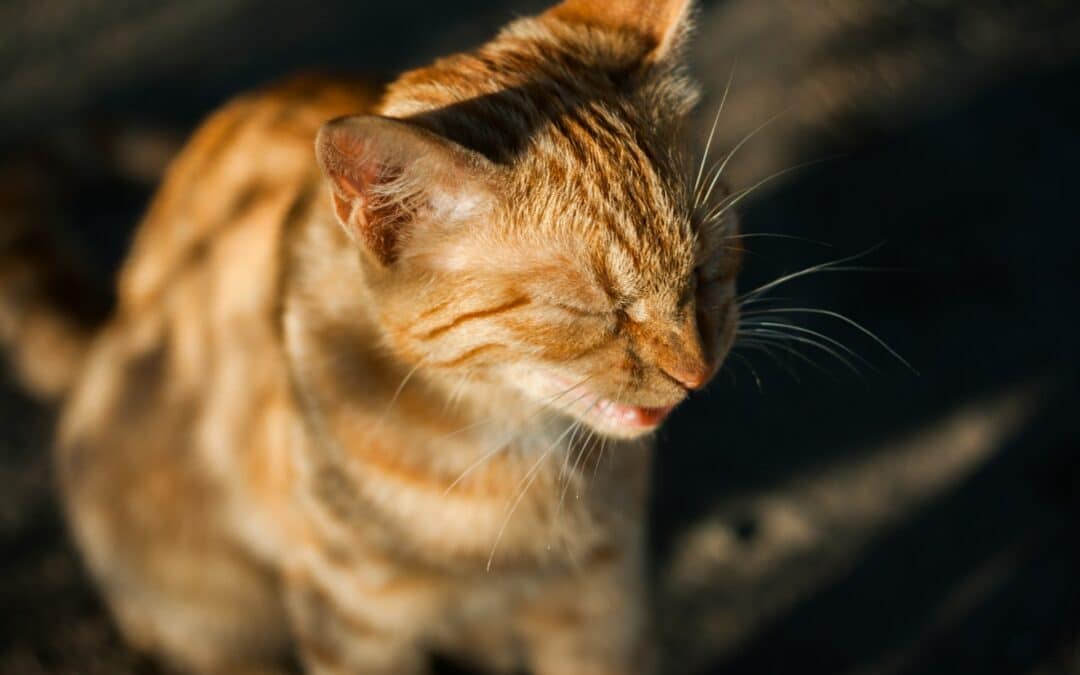
Dust is a fact of life here in Arizona’s desert climate. But if you’re a cat owner, it might be cause for concern. Because of their small size, cats are more vulnerable to respiratory problems from dust than we are. And because they also lick dust off of their fur, it can sometimes cause digestive irritation as well.
Indoor cats have a tendency to hide under furniture where dust is likely to collect, and they deal with dust from their litter boxes every day. Cats who are allowed outdoors get dusty from rolling in dirt or exploring the corners of sheds, garages, and other outdoor structures. And while you can’t keep your cat in a bubble, you can be aware of the risks of dust and how to minimize them.
Dust from Cat Litter
Cats pick up tiny dust particles from their litter whenever their paws touch it, which they later ingest during grooming. Digging in the litter also means inhaling dust particles several times a day, compounding the potential for irritation.
Keeping the litter box in a well-ventilated area helps minimize the concentration of airborne dust. But if your cat starts sneezing and coughing or experiencing watery eyes after using the box, you may need to switch to a low-dust or dust-free cat litter.
What If My Cat Rolls in Dust Outside?
For indoor/outdoor cats, kitty litter may not be the only cause of dust-driven irritation. When your cat goes outside, you may see them roll in the dirt with joyful abandon. And while it looks like your cat is just playing, they’re really giving in to instinctual behavior: rolling in the dirt helps them mark their territory with their scent.
The bad news is that your cat’s coat may now be dusted with more than dirt. Cats rolling outside can also pick up pollen, mold spores, and even pesticides and fertilizers from grass on their fur. The next time your cat grooms themself, they’re ingesting all of those irritants as well, which poses a threat to more than their respiratory system. In rare cases, cats that ingest certain fungal spores can come down with Valley Fever.
While keeping your cat from rolling in the dirt is nearly impossible, you can help them clean their fur afterwards. Give them a good brushing upon their return indoors, and if you can manage it, wipe them down with a damp towel first. Your cat won’t like it, but the fibers in the towel can help trap dust before your cat licks it away.
Dust Allergies in Cats
Just like their owners, cats can develop dust allergies, too. Sneezing, wheezing, itching, red and watery eyes, and a runny nose all are common signs of allergies for cats, and these can start at any age. Although dust mites are a common cause of allergy symptoms, it’s always possible your cat could have more serious health concerns. Because of this overlap, checking in with your cat’s vet is always wise.
Can Licking Dust Cause Digestive Problems in Cats?
Cats do a thorough job of keeping themselves clean, but anything they lick off their fur can also end up in their stomachs. Ordinary dust is unlikely to give them any kind of digestive upset. However, dust that includes clay or silica particles (kitty litter), mold spores, or chemicals from lawn treatments could irritate their stomachs and cause vomiting, loss of appetite, or lethargy.
Complete Veterinary Care for Cats in Gilbert, Arizona
If you notice your cat sneezing more than usual, showing signs of skin or eye irritation, or sny other troubling symptoms, don’t hesitate to schedule a vet appointment with Anasazi Animal Clinic. We’ll help you figure out what the problem is and develop the right treatment plan to restore your cat’s health and comfort.
Photo by Anton Kraev on Unsplash used with permission under license for commercial use 04/10/2026.

Dr. Alan Mafara is an experienced veterinarian dedicated to providing comprehensive, compassionate care for companion animals. With decades of experience in veterinary medicine, he focuses on preventive care, orthopedic surgery, veterinary dentistry, and advanced pain management to help pets live healthier, more comfortable lives.