
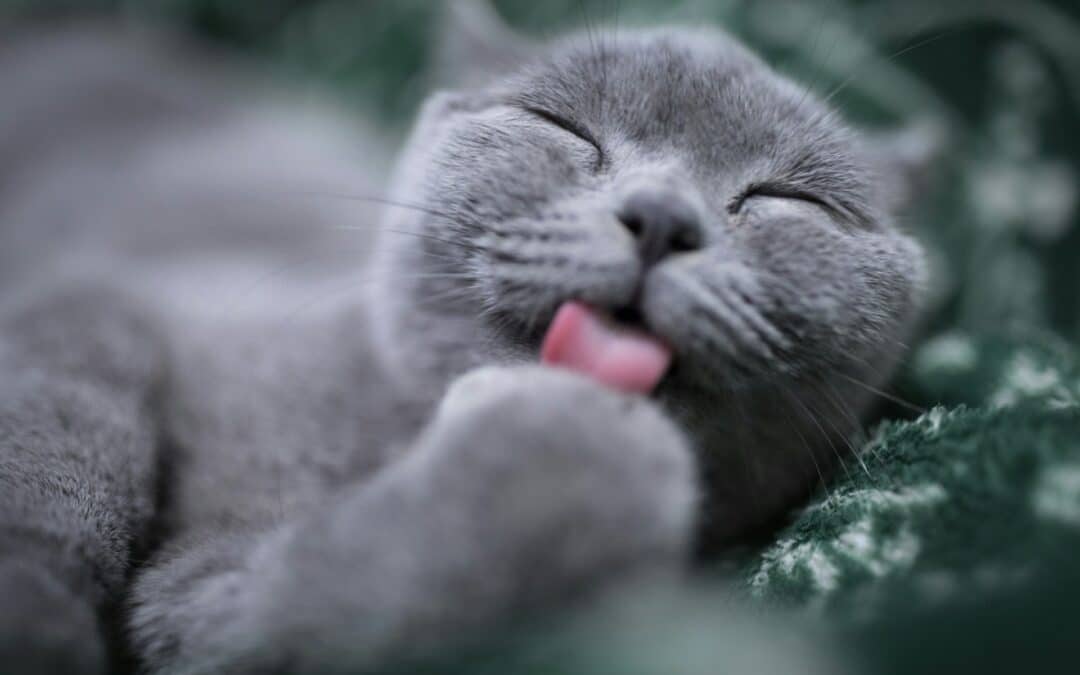
As temperatures climb and spring gets into full swing, you might see a few more tumbleweeds of pet hair drifting around the house than usual. Spring shedding is natural for both cats and dogs, but it’s not always a comfortable process. Dogs might feel itchy and start scratching obsessively, while cats might feel sick from all the extra hair they’ve been swallowing.
Here’s how to cope with all those dust bunnies and make spring shedding a little easier on your pet.
How to Deal with Spring Shedding
Daily Brushing
- Try to spend at least 5-10 minutes brushing your cat or dog every day while they are shedding their winter coat.
- Using the right tools will make the job easier. Use a slicker brush for short coats, and undercoat rakes for long-haired cats or double-coated dogs.
- If your pet isn’t fond of grooming, try to do it while they’re feeling more docile and snuggly. (Or just bribe them with treats.)
Around the House
- Protect furniture with washable throws.
- Keep lint rollers handy in multiple rooms.
- Use an air purifier to remove pet dander.
- Keep up a regular vacuuming routine.
- Get your HVAC filters changed after shedding season is over.
Your Pet’s Food and Water
- Give your pets extra water while they are shedding. Cats might like to have bowls in multiple locations.
- Omega-3 fatty acids support healthy hair and skin. Look for pet food with ingredients like salmon, fish oil, or flax seed that are rich in Omega-3. You can also ask your vet about an Omega-3 supplement.
Why Grooming Your Pet Is Important
Daily brushing helps prevent matting and skin problems. It also gives you a chance to spot skin concerns like rashes, lumps, or bites that need the attention of a veterinarian. Brushing is also a wonderful way to spend quality time with your pet. Offering treats and praise can make it a positive experience for your pet, and encourage them to look forward to future grooming sessions.
During shedding season:
- Cats may need a little extra help with grooming in order to prevent hairballs. Swallowing too much hair can cause dangerous intestinal blockages.
- Add an extra bath to your dog’s schedule, and brush their fur out after it is completely dry.
- Long-haired pets may benefit from professional grooming and a spring “haircut.”
Normal vs. Concerning Shedding Patterns
You can expect to see 3-4 weeks of increased shedding of pet hair from your dogs and cats; however, some breeds may shed more than usual for a longer period of time. Double-coated breeds in particular may show significant shedding.
If hair loss reveals bare patches or irritated skin, or your pet is scratching excessively, it could be a sign of another health concern that requires vet attention. Natural shedding helps your pet maintain a shiny, healthy coat. A pet with dull or brittle fur should be examined by a vet.
Veterinary Care for Cats and Dogs in Gilbert
Spring shedding is actually the sign of a healthy coat. However, if you’re worried that your dog is scratching too much, or anxious because your cat is hacking and coughing but not producing any hairballs, bring them in for an exam.
The team at Anasazi Animal Clinic is here to help with any concerns you have! Contact us to schedule a wellness exam for your pet today.
Photo by Eric Han on Unsplash used with permission under license for commercial use 03/07/2026.