One of the best ways to keep your pet healthy is by feeding them a healthy diet. Good nutrition means better digestion, more energy, a healthy coat, and healthy teeth, too. But sometimes it can be hard to resist those pleading eyes, and sometimes even the best intentions (like switching to that trendy new brand) can lead you astray.
Here are ten of the most common mistakes people make when feeding their pets, so you can avoid them.
1: Too many treats.
Pets love treats, and we love rewarding them for being so cute and affectionate. However, feeding your pet too many treats can be a big mistake. Most pet treats contain ingredients that should only be enjoyed in moderation. Overdoing it can cause pets to gain unnecessary weight, and may even cause malnutrition if they fill up on treats instead of meals.
2: Not adjusting for activity levels.
Portion sizes should be measured according to your pet’s age and weight as well as how active they are. Extremely active pets may need an extra scoop of kibble, while pets who are mostly sedentary might need a little bit less.
3: Free-feeding when structured meals are needed.
It’s easy to lose track of time and portion size when you feed your pet on demand. Free-feeding is an easy way for pets to pack on the pounds. Being mindful when it comes to doling out treats and sticking to a regular feeding schedule your pet can rely on.
4: Sharing your own food or feeding table scraps.
While giving your cat or dog food from your own food prep or dinner plate might not hurt them immediately, over time, it could leave your pet malnourished. Pet food is specially formulated to provide the right balance of nutrients, including vitamins and minerals, for optimal health. Use a trusted source of pet food or consider making your own pet food.
5: Choosing food based on marketing, not nutrition.
Marketing is persuasive, and that’s why it works. But beyond aesthetic packaging, catchy jingles, and celebrity spokespeople, what matters most is the quality of the food you buy for your pet; without that, all the fancy marketing is worthless.
6: Forgetting to feed an age-appropriate diet.
Puppies and kittens have much different needs than adult and senior pets when it comes to nutrition. Look for age-appropriate pet food to be sure your pet is getting the right balance of proteins, fats, and other nutrients.
7: Neglecting to wash pet dishes.
Dirty pet dishes are a prime breeding ground for bacteria and viruses that make pets (and people!) sick. You wouldn’t eat breakfast off the same dish you used for dinner last night, and your pet doesn’t want to eat off of dirty dishes either. Make sure to wash both food and water bowls at least once a day.
8: Not giving enough fresh water.
Dehydration can be very dangerous for pets, so it’s important to make sure yours are drinking enough water. Keep water bowls clean and refill them at least twice a day. Always offer dogs fresh water after walks. Consider flowing water fountains for picky cats who only like to drink water when it’s moving.
9: Missing the warning signs.
If you don’t notice the changes in your pet’s eating habits, no one else will. If you see any rapid weight gains or losses, or if your pet has suddenly lost their appetite, it’s worth checking in with your vet.
10 : Not consulting a vet for dietary advice.
The best way to make sure you’re feeding your pet the right diet is to ask a vet for recommendations. Veterinarians understand pet nutrition better than anyone, and they can advise you based on your pet’s age, size, breed, and energy levels. They can also help you deal with any food allergies or sensitivities your pet has.
Get a professional opinion! Contact Anasazi Animal Clinic in Gilbert to schedule an appointment today!
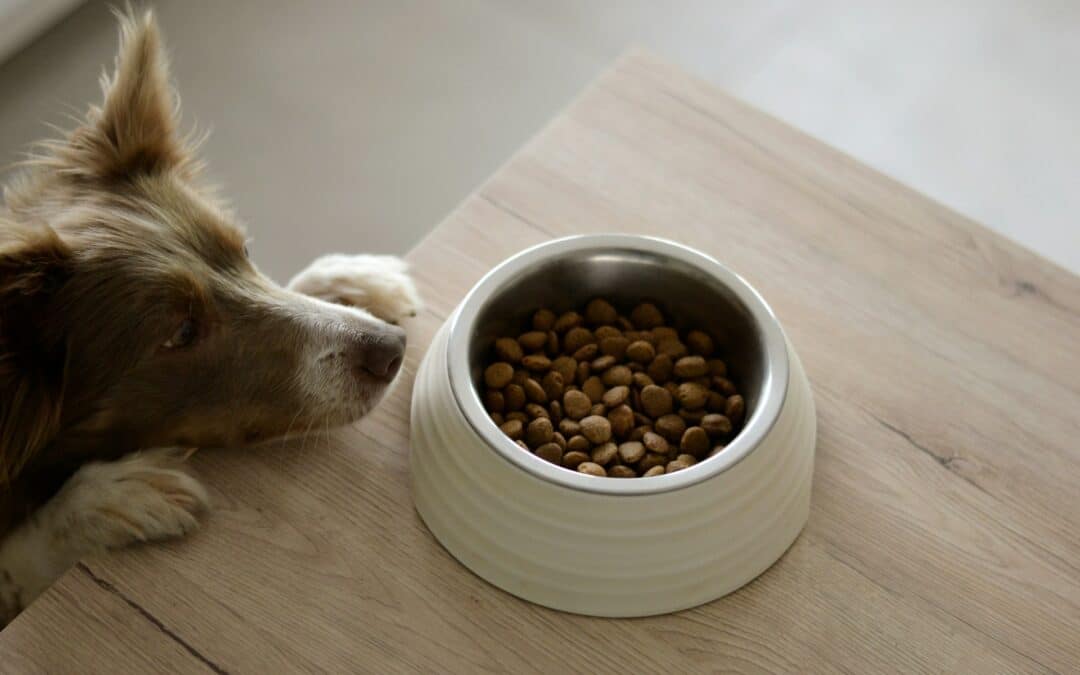
Photo by Ayla Verschueren on Unsplash used with permission under the creative commons license for commercial use 01/05/2026.