
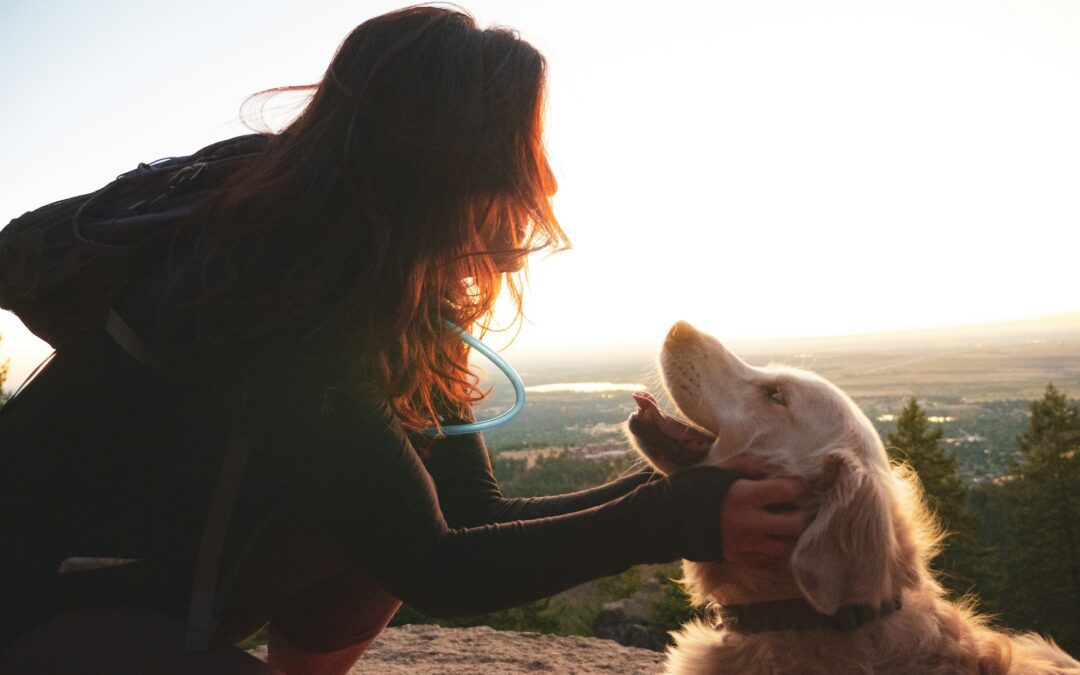
Camping is one of the most exciting ways to experience Arizona’s natural beauty, and it’s only natural to want to bring your dog along for the adventure.
Whether you’re headed to Mogollon Rim, the White Mountains or staying closer to home camping in Cave Creek, Usery Mountain or Lake Pleasant regional parks, you need to plan ahead. Hazards like coyotes, heat stroke, snakes, and unfamiliar terrain could be disastrous. Here’s what you need to know before you start planning your next trip.
Safety Tips for Camping with Dogs in Arizona
It’s easy to see why Arizona’s outdoors are so tempting for campers and their dogs, with the variety of desert and mountain terrain. Take a moment to check online or call ahead to make sure the campground you plan on staying at does allow pets and confirm what the pet policies and leash rules are.
- Keep a leash with you at all times. Campground and trail conditions can change quickly. Dogs’ interests may also be piqued by tempting smells or unfamiliar sights and sounds.
- Picking up after your dog still matters. Pet waste contaminants can leach into soil and water. Never leave bags of poop on the trail—carry them out with you and deposit them in a wastebin.
- Always pack extra water. Bring more than you think you’ll need! You and your dog are likely going to be thirstier than you expect, and drinking out of lakes or creeks is not safe.
- Double check that the contact information on your pet’s collar tags and microchip ID is up-to-date so you can be reunited with your pet if they accidentally get lost.
- Pack a pet first aid kit for minor emergencies. For instance, you might need some tweezers to remove thorns or grass barbs from your dog’s paws.
Camping with Dogs in the Desert
Planning your desert trip during spring and fall months, when temperatures are more moderate, to prevent life-threatening hazards like heatstroke. Know how to recognize the signs of overheating, such as lethargic behavior, drooling, heavy panting, glassy eyes, or vomiting.
When exploring desert areas, skip midday hikes when sand and rock surfaces will be especially—even dangerously—hot. Morning hikes should be comfortably cool, but you’ll need to make an early start to beat the heat. Stick to the shade and rest during the day.
Camping with Dogs in the Mountains
High elevation camping means packing for cold nights and cool weather. While you’re packing warm clothes for yourself, add a blanket or dog jacket for your pet.
Some dogs may experience altitude sickness; older or typically inactive dogs may be more susceptible to this. If your campsite is higher than 8,000 feet, keep an eye on your dog for signs of fatigue and make sure to pack plenty of water.
Keep your dog leashed or tethered at all times, and don’t let them wander off on their own. Mountain terrain can be treacherous. Hiking and camping may put you in proximity of cliffs, washes, and rockslides. Dogs can easily get injured or lost in the mountains, so even if your dog has good recall, keep them within your line of sight.
Keeping Your Dog Safe from Scorpions, Coyotes, and Snakes When Camping
Some areas of the Arizona wilderness are home to animals that could cause harm to your dog. Knowing more about them and when they’re active can help you and your dog stay out of their way.
Scorpions
Scorpions are small, but they can be big trouble for pets. You can reduce the chances of getting stung by shaking out sleeping bags and gear, and checking shoes and bowls before use.
Coyotes
Coyotes are most active at dawn and dusk. Small dogs are at risk of attacks, and larger dogs might try to pick a fight, so keep your pet close, and don’t leave food around.
Snakes
Snakes, and rattlesnakes in particular, could bite dogs. Don’t go off-trail, and keep your dog out of the brush. If your dog gets bit by a snake, they might drool, suddenly become weak or experience swelling at the bite site. Stay calm, rinse the wound with water, and get your dog to an emergency vet. Acting quickly could mean the difference between life and death.
Veterinary Care for Dogs in Gilbert
Bringing your dog to the vet for a checkup before heading out camping is a wise way to prepare. Our vets can make sure your pet is healthy enough for this kind of intense physical activity. We’ll also make sure they’re up to date on their vaccinations and flea & tick prevention. We can also advise you on what to do if there’s ever an emergency like a snake bite or your dog starts to get overheated on the trail.
Contact us to schedule an appointment at our animal hospital in Gilbert today.
Photo by Jon Cartagena on Unsplash used with permission under the creative commons license for commercial use 07/23/2026.